


Neuropathic Pain: Understanding and Treating Nerve Pain at Peninsula Pain Management
By Dr. James Forbes, Pain Management Specialist – Peninsula Pain Management, New South Wales, Australia
James Forbes Perspective
As a physician specializing in pain medicine, I encounter many patients suffering from neuropathic pain—a type of chronic pain caused not by tissue damage itself, but by injury or dysfunction within the nervous system. Neuropathic pain is one of the most complex and frustrating pain syndromes we treat. It does not behave like typical musculoskeletal pain or inflammatory pain, and it rarely responds to standard medications such as NSAIDs or acetaminophen.
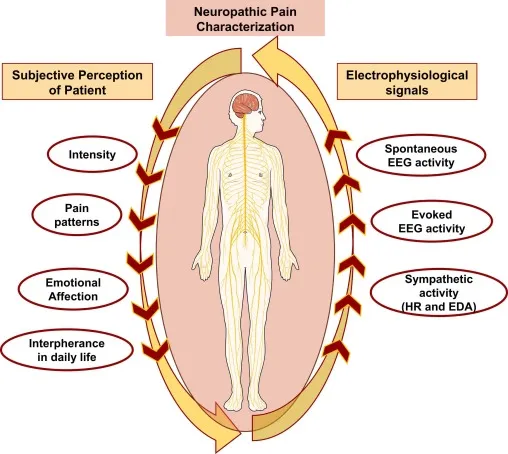
Patients often describe nerve pain as burning, shooting, stabbing, or tingling. For some, it feels like “electric shocks” or “pins and needles.” Others report numbness, hypersensitivity to touch, or even pain triggered by normally harmless sensations such as clothing brushing against the skin (a phenomenon known as allodynia).
Neuropathic pain can be constant or intermittent, but for many patients, it is debilitating—interfering with sleep, mobility, and emotional well-being. At Peninsula Pain Management, we specialize in diagnosing and treating these conditions using evidence-based, multidisciplinary approaches designed to restore function and quality of life.
What Causes Neuropathic Pain?
Neuropathic pain develops when nerves are damaged or misfire. Instead of carrying normal sensory messages, the nervous system sends abnormal pain signals to the brain. These signals may persist long after the initial injury, creating a chronic pain state.
Common causes of neuropathic pain include:
- Diabetic neuropathy (nerve damage from diabetes)
- Postherpetic neuralgia (nerve pain after shingles)
- Sciatica or lumbar radiculopathy (nerve root compression in the spine)
- Peripheral neuropathy (often from alcohol use, chemotherapy, or toxins)
- Carpal tunnel syndrome and other nerve entrapment syndromes
- Spinal cord injury
- Multiple sclerosis and other neurological diseases
- Post-surgical nerve injury or trauma
Regardless of the cause, the underlying issue is the same: damaged nerves generate inappropriate signals, and the nervous system becomes “rewired” to amplify pain. This is why chronic neuropathic pain often persists even after the original injury has healed.
Symptoms of Neuropathic Pain
Neuropathic pain is unique in its presentation. Patients may experience:
- Burning pain in hands, feet, legs, or back
- Shooting or stabbing pain along a nerve pathway
- Tingling or pins-and-needles sensations
- Numbness or weakness in affected areas
- Increased sensitivity to touch (allodynia)
- Hyperalgesia, where pain from normally mild stimuli feels severe
- Sleep disturbances due to nighttime nerve pain
This constellation of symptoms often affects daily life more profoundly than other pain conditions. Neuropathic pain patients frequently report difficulty walking, working, concentrating, or even wearing normal clothing comfortably.
Why Neuropathic Pain is Hard to Treat
Unlike musculoskeletal pain, which is usually tied to an identifiable injury, nerve pain arises from dysfunction in the nervous system itself. Standard anti-inflammatory medications often do little to help.
Furthermore, neuropathic pain has a strong link to central sensitization—a condition where the spinal cord and brain become hyperreactive to pain signals. Once this process is established, pain may persist indefinitely without targeted interventions.
For this reason, patients with neuropathic pain require a specialized pain management plan that goes far beyond over-the-counter medications.
How Peninsula Pain Management Helps Patients with Neuropathic Pain
At Peninsula Pain Management, we recognize that neuropathic pain requires a comprehensive, personalized approach. Our goal is not only to relieve pain but also to improve mobility, restore function, and enhance overall well-being.
1. Detailed Assessment
We start with a thorough evaluation that includes:
- Neurological examination
- Review of imaging and prior tests
- Assessment of functional limitations
- Discussion of how pain impacts sleep, work, and relationships
This allows us to tailor treatment based on the unique presentation of each patient.
3. Interventional Pain Procedures
For patients who do not respond to medications alone, we offer advanced interventional pain management options, including:
- Nerve blocks to interrupt abnormal pain signaling
- Epidural steroid injections for sciatica and radiculopathy
- Radiofrequency ablation for chronic spinal pain
- Spinal cord stimulation (SCS) to “reprogram” how the nervous system perceives pain
- Peripheral nerve stimulation for localized neuropathic pain
These procedures can provide long-lasting relief and help patients reduce reliance on medications.
5. Long-Term Partnership
Neuropathic pain is rarely cured overnight. At Peninsula Pain Management, we partner with our patients for the long term. We adjust treatments as needed, monitor for side effects, and provide ongoing support. Our mission is not just pain relief, but helping patients reclaim their lives.
Why Patients Trust Peninsula Pain Management
- Led by Dr. James Forbes, board-certified in pain medicine
- Based in New South Wales, proudly serving the Central Coast
- A reputation for personalised, evidence-based care
- A multidisciplinary approach that puts patient outcomes first
2. Medication Management
Medications for nerve pain management are different from those used for other pain types. We may prescribe:
- Anticonvulsants (gabapentin, pregabalin) to calm nerve overactivity
- Antidepressants (duloxetine, amitriptyline) for neuropathic modulation
- Topical agents such as lidocaine patches or capsaicin cream
- Carefully monitored opioid therapy only when absolutely necessary
The right medication, at the right dose, can dramatically reduce symptoms without heavy side effects.
4. Multidisciplinary Care
Because neuropathic pain affects every aspect of life, our approach includes:
- Physical therapy to maintain strength and mobility
- Occupational therapy to adapt daily activities
- Cognitive-behavioral therapy (CBT) for pain coping strategies
- Mindfulness and relaxation techniques to calm the nervous system
This combination of physical, medical, and psychological care addresses the whole patient, not just their pain symptoms.
Living with Neuropathic Pain
Patients with chronic nerve pain often feel misunderstood or dismissed. Because their pain does not always show up on imaging, family members, employers, and even some providers may underestimate its severity.
As pain specialists, we understand the biology behind neuropathic pain, and we take our patients’ suffering seriously. At Peninsula Pain Management, our role is not only to provide treatments but also to validate the patient’s experience and guide them toward hope and recovery.