


Complex Regional Pain Syndrome (CRPS): Understanding and Treating Chronic Nerve Pain at Peninsula Pain Management
By Dr. James Forbes, Pain Management Specialist – Peninsula Pain Management, New South Wales, Australia
What is CRPS?
Complex Regional Pain Syndrome is a chronic pain condition that usually affects an arm, leg, hand, or foot after trauma, surgery, or even something as minor as a sprain or injection. What makes CRPS unique is that the pain is far greater than what would be expected from the initial injury.
There are two types of CRPS:
- CRPS Type I (formerly RSD): occurs without a confirmed nerve injury.
- CRPS Type II: occurs after a confirmed nerve injury.
Both types share the same debilitating symptoms and require specialized pain management.
Symptoms of CRPS
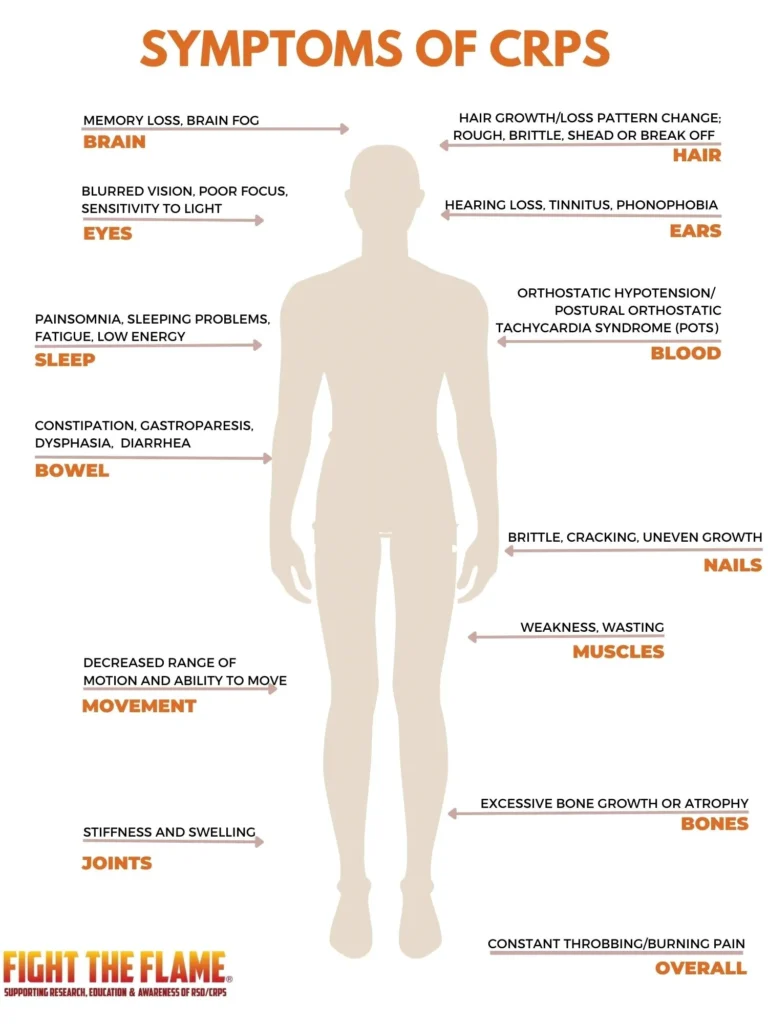
CRPS is characterized by a mix of sensory, motor, autonomic, and trophic changes. Common symptoms include:
- Severe burning pain or stabbing pain in the affected limb
- Allodynia: pain triggered by normally harmless stimuli, such as clothing or light touch
- Hyperalgesia: exaggerated pain response to mildly painful stimuli
- Swelling and stiffness of the affected joint
- Temperature changes (hot or cold skin) compared to the opposite limb
- Skin color changes (red, blue, pale, or blotchy)
- Sweating abnormalities in the affected area
- Muscle weakness, tremors, or spasms
- Brittle nails, thinning skin, or hair growth changes
In advanced cases, CRPS can cause contractures (frozen joints), muscle wasting, and spread of symptoms to other body regions.
Why CRPS Happens
The exact cause of CRPS is not fully understood, but several mechanisms are believed to contribute:
- Nervous system dysfunction: damaged or irritated nerves send abnormal pain signals to the brain.
- Sympathetic nervous system overactivity: blood vessel constriction, sweating, and temperature changes worsen pain and tissue health.
- Inflammation: release of inflammatory chemicals sensitizes nerves and amplifies pain.
- Central sensitization: the spinal cord and brain become “rewired” to overreact to normal sensory input.
Because CRPS is a multifactorial pain condition, it requires a multidisciplinary treatment approach.
Diagnosis of CRPS
CRPS is diagnosed clinically based on history and symptoms. There is no single test, but we use:
- Physical exam: checking for pain response, temperature differences, swelling, and skin changes
- Imaging: bone scans, MRI, or X-rays may show bone demineralization or tissue changes
- iagnostic nerve blocks: temporary relief after a sympathetic block may confirm CRPS involvement
Early recognition is critical. The sooner CRPS is diagnosed, the greater the chance of controlling pain and preventing progression.
Why CRPS is Difficult to Treat
CRPS is notoriously complex because it involves nerve dysfunction, vascular changes, inflammation, and psychological distress all at once. Standard medications alone rarely provide adequate relief. Left untreated, CRPS can cause permanent disability and severe reductions in quality of life.
That’s why patients with CRPS need care from a specialized pain management clinic like Peninsula Pain Management, where we can combine advanced therapies with supportive care tailored to the individual.
How Peninsula Pain Management Helps Patients with Post-Surgical Pain
At Peninsula Pain Management, we use a multidisciplinary approach that targets the biological, neurological, and psychological aspects of CRPS.
Comprehensive Evaluation
We begin with a detailed history, exam, and review of prior treatments. Understanding the full scope of symptoms—including pain triggers, functional limitations, and emotional impact—guides our care plan.
Interventional Pain Procedures
For patients with severe CRPS, interventional pain management is often necessary. Options include:
- Sympathetic nerve blocks (stellate ganglion block for the arm, lumbar sympathetic block for the leg) to reduce overactive nerve signals
- Intravenous ketamine infusions for severe neuropathic pain
- Radiofrequency ablation (RFA) for longer-lasting nerve modulation
- Spinal cord stimulation (SCS), one of the most effective therapies for CRPS, which reprograms pain signaling at the spinal level
- Peripheral nerve stimulation for localized CRPS
These interventions can provide meaningful and lasting relief when medications alone fail.
Long-Term Partnership
CRPS management is a journey, not a quick fix. At Peninsula Pain Management, we walk with our patients every step of the way, adjusting treatments, providing reassurance, and helping them rebuild their lives.
Why Patients Trust Peninsula Pain Management
- Led by Dr. James Forbes, board-certified in pain medicine
- Based in New South Wales, proudly serving the Central Coast
- A reputation for personalised, evidence-based care
- A multidisciplinary approach that puts patient outcomes first
Medication Management
We use medications that target neuropathic and sympathetic pain, including:
- Anticonvulsants (gabapentin, pregabalin) to calm nerve overactivity
- Antidepressants (duloxetine, amitriptyline) for neuropathic pain modulation
- Anti-inflammatory medications when swelling contributes to pain
- Topical agents like lidocaine patches or capsaicin cream
- Judicious opioid therapy only when necessary, and always as part of a broader plan
Physical and Occupational Therapy
Movement is essential in CRPS treatment. We work with therapists to restore mobility, improve circulation, and prevent joint contractures. Even gentle exercises, combined with graded motor imagery and mirror therapy, can retrain the brain’s pain pathways.
Psychological Support
CRPS takes a toll emotionally. Anxiety, depression, and fear of movement often worsen pain. We integrate:
- Cognitive-behavioral therapy (CBT)
- Relaxation and mindfulness techniques
- Patient education to build confidence in movement and recovery
Living with CRPS
Patients with CRPS often feel isolated, misunderstood, and desperate for relief. Because the condition is rare and difficult to diagnose, many patients are told “it’s all in your head.” As pain specialists, we know CRPS is real—and we take our patients’ suffering seriously.
Our mission at Peninsula Pain Management is not only to relieve pain, but also to restore hope, function, and dignity. With early, specialized treatment, many CRPS patients can achieve significant improvement and prevent disability.