General Information on Injection Treatments
Important Notice
This page provides general information about injection procedures and is not specific to your condition.
Treatment approaches may vary between doctors and patients. Please consult your pain specialist for personalised advice. If you would like to download the Patient Information Sheet for Injection Treatments click here.
Types of Injections
Pain specialists perform various injection treatments (procedures) to:
- Diagnose the source of pain
- Reduce pain intensity
These injections may be administered:
- Around or into joints
- Near nerves
- Around other structures within the body
While these treatments may not provide a permanent cure, they can offer temporary pain relief, which for some patients can be significant.
Two-Step Pain Management Approach
In many cases, two procedures may be recommended:
- Nerve Block (Diagnosis Phase)– Helps identify the exact source of pain.
- Radiofrequency Procedure (Pain Reduction Phase)– Helps reduce pain signals for longer-lasting relief.
Joint Injections & Nerve Blocks
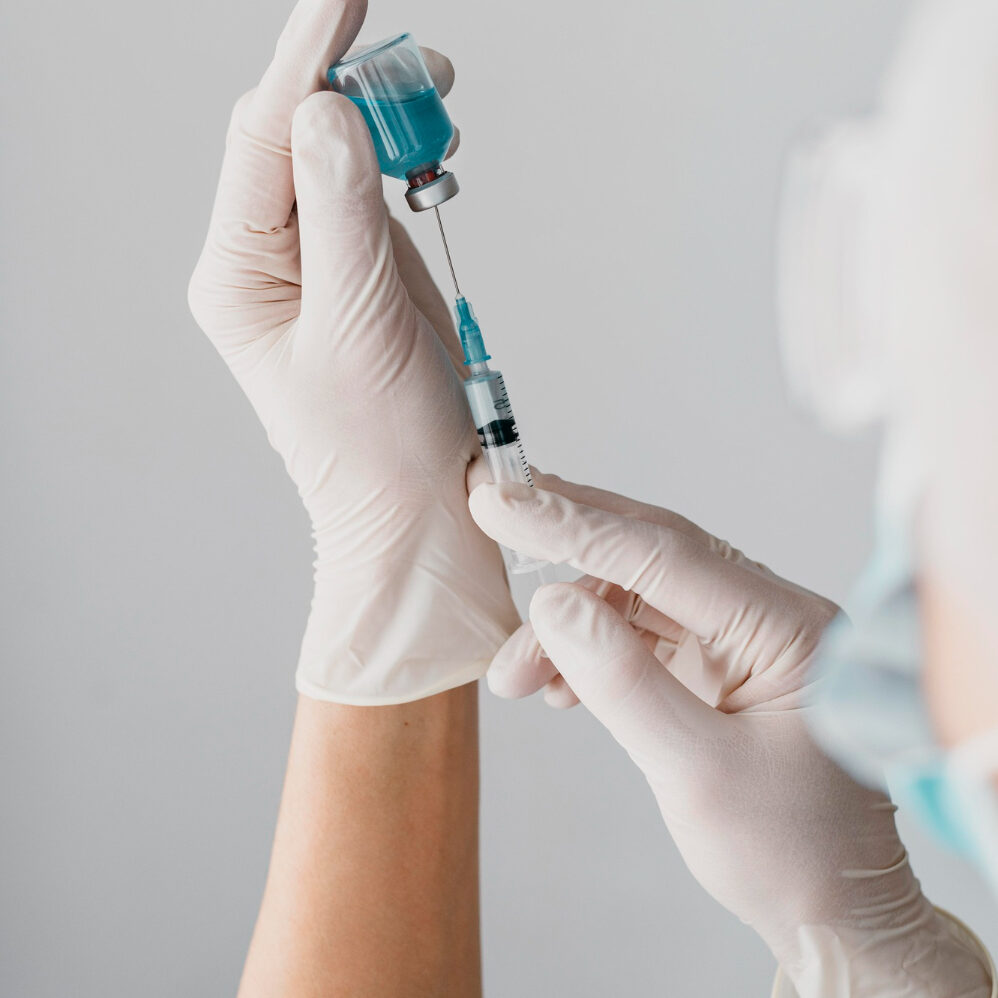
Typically contain local anaesthetic, similar to what dentists use to numb a tooth.
May also include a steroid to help reduce inflammation and extend pain relief.
Radiofrequency Procedures
- Uses a fine probe inserted through a needle.
- Helps modify nerve function to reduce pain transmission.
SIDE EFFECTS & POSSIBLE COMPLICATIONS
Common Side Effects
- Mild soreness or bruising around the injection site.
- Temporary worsening of pain (expected for a few days).
Rare But Serious Complications
- Infection – Seek medical help if you develop redness, warmth, fever, or feel unwell.
- Procedure failure – Not all injections provide pain relief.
- Other serious risks depend on the specific procedure and will be discussed before consent.
What to Expect
- This procedure is not a treatment — it is a test to locate the source of pain.
- Your doctor will review the completed block assessment sheet with you at your follow-up appointment.
- If the results indicate success, you may be offered a longer-lasting treatment called Radiofrequency Neurotomy
After Your Procedure
If you have received sedation, you must not for 24 hours:
- Drive a vehicle
- Drink alcohol or smoke
- Sign legal documents or make major decisions
- Operate machinery
- Do strenuous physical activity
Please follow any additional instructions given by hospital staff.
Medical Considerations
Inform your specialist immediately if:
- Your medications have changed, particularly blood-thinning medications.
- You have been diagnosed with diabetes or new allergies.
- You have an infection (skin or elsewhere in the body).
- You are pregnant or suspect you may be.
Sedation & Anaesthesia
- Most procedures are done under sedation, though some may be performed without it.
- Rarely, a general anaesthetic may be required.
- An anaesthetist will discuss the sedation plan with you and monitor you throughout the procedure.
During the Procedure
- Your specialist will perform the injection using an X-ray or ultrasound for accuracy.
- You may feel pressure or tightness, but let your doctor know if you experience discomfort.
FREQUENTLY ASKED QUESTIONS
- Injection treatments are one of several pain management options.
- Your pain specialist will discuss alternative treatments and determine the best approach for your condition.
- If you are undecided or have concerns, do not proceed with the procedure until you are fully informed.
Before the Procedure
- You will need to provide written consent after discussing the risks and benefits with your specialist.
- The procedure is conducted in a hospital or day surgery center with trained nursing and surgical teams.
- Imaging (X-ray or ultrasound) is often used to guide needle placement.
- Bring a list of your current medications and continue taking them unless instructed otherwise.
- You will be taken to a recovery area while you are still drowsy, where nursing staff will monitor you.
- Once you are fully awake and stable, you will be cleared to go home (typically within a few hours).
- After the local anaesthetic wears off, you may experience aching or soreness at the injection site.
- Mild pain worsening for a few days post-procedure is normal—continue your usual pain medications unless advised otherwise.
- Keep the injection site clean and dry for 24 hours.
Some bruising and aching around the injection site is normal.
- Keep the area clean and dry for 24 hours.
- Your pain may initially feel worse before improving.
- Take painkillers regularly if needed, along with your usual medications.
- Stay active, but avoid strenuous activity—gradually increase your movement as your pain improves.
Your specialist will provide further guidance on activity levels.
For any questions or concerns, please contact your pain specialist. If you experience severe pain, signs of infection, or unusual symptoms, seek urgent medical attention.
Going Home & Overnight Care
If you received sedation or general anaesthesia, you must:
- Be accompanied home by a responsible adult (a taxi/Uber driver does not qualify).
- Have an adult stay with you overnight—if this is not possible, hospital admission can be arranged.
For at least 24 hours after sedation, do not:
- Drive
- Operate machinery
- Sign legal documents
- Provide unsupervised childcare
- Drink alcohol
Discuss your return to work with your doctor based on your condition.